



Ever wondered if your friend is actually typing or just staring at the screen, contemplating life? The iPhone’s typing indicator can solve this mystery and add a sprinkle of excitement to your messaging game. Imagine the thrill of knowing when someone’s fingers are dancing over the keyboard, crafting the perfect response just for you.
Understanding Typing Indicators
Typing indicators on the iPhone signal when a contact is composing a message. This feature enhances user interactions by creating expectations during conversations.
What Is a Typing Indicator?
A typing indicator serves as a real-time notification during messaging. It appears when a user begins to type a reply. Typically represented by three dots, this small visual cue informs the recipient that someone is actively engaged in the chat. Users find this feature particularly useful because it adds a layer of connection, making conversations feel more dynamic. The ability to see when a friend is typing fosters a sense of involvement in the ongoing exchange.
Why Use a Typing Indicator?
Using a typing indicator enhances the overall messaging experience. It offers users insight into ongoing conversations, reducing uncertainty in communication exchanges. Anticipation builds when knowing that someone is preparing a response, encouraging users to remain engaged. This feature also reflects modern messaging standards, aligning with user expectations in popular messaging apps. Users appreciate the increase in responsiveness, as it can lead to quicker conversations and fosters a more interactive chat environment.
How to Enable Typing Indicator on iPhone
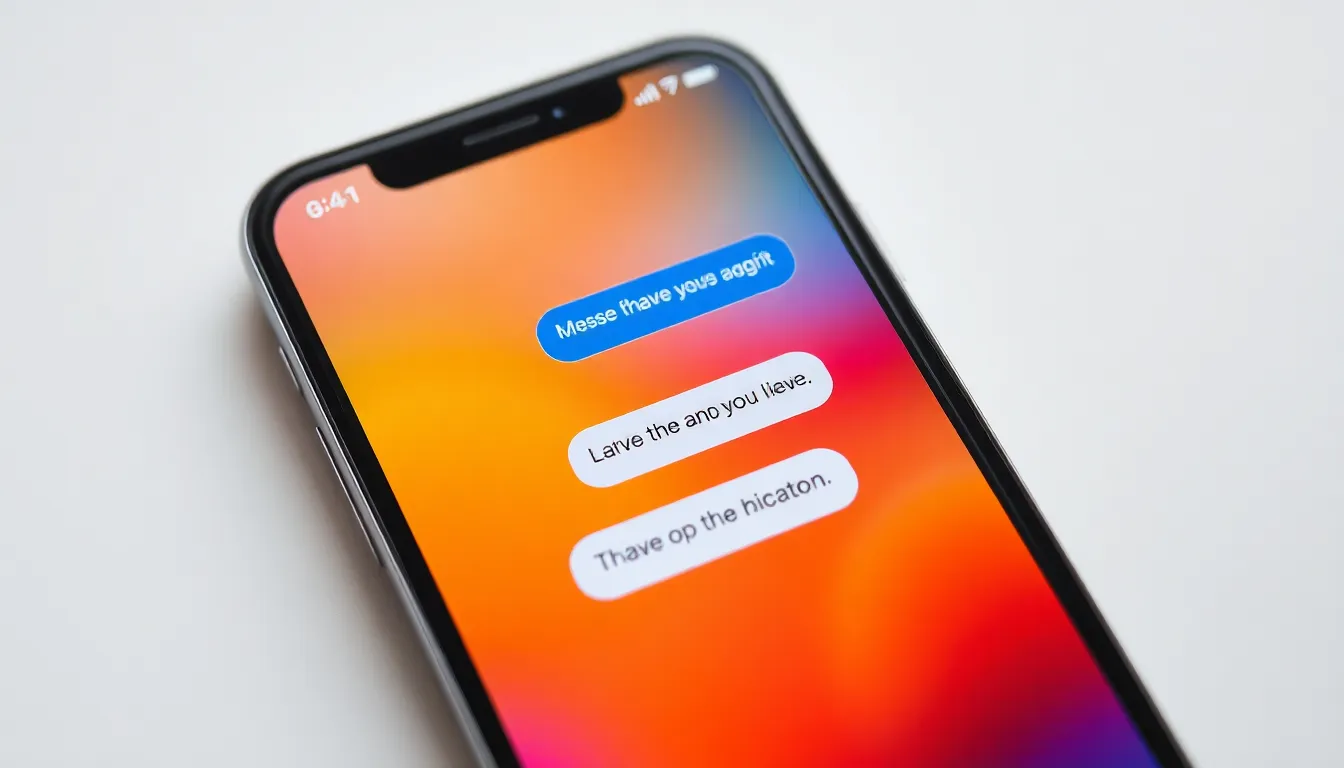
Enabling the typing indicator on an iPhone enhances messaging experiences. Users stay informed when contacts are crafting messages.
Step-by-Step Guide
- Open the Settings app on the iPhone.
- Scroll down and select Messages.
- Look for the Send Read Receipts option and ensure it’s turned on.
- Verify that iMessage is activated under the Messages settings.
- Confirm that the contacts with whom typing indicators are desired also have iMessage enabled.
These steps activate the typing indicator, integrating a valuable feature into conversations.
Common Issues and Troubleshooting
Occasionally, users encounter issues with the typing indicator. Ensure that both parties utilize iMessage for accurate functionality. Restarting the iPhone can resolve temporary glitches.
If the typing indicator still doesn’t appear, check for iOS updates in the Settings app. Install any pending updates, as they may address known issues. Lastly, confirm that your contact also has Read Receipts enabled to share the typing status effectively.
Alternatives to Built-In Typing Indicator
Users seeking alternatives to the iPhone’s built-in typing indicator can explore various third-party apps designed for enhanced messaging experiences.
Third-Party Apps
Several third-party messaging apps offer their own typing indicators, creating a different level of engagement. Apps such as WhatsApp, Telegram, and Facebook Messenger feature visible notifications that inform users when contacts are typing messages. Enhanced functionalities often accompany these indicators, including read receipts and message status updates. These apps provide options for users to customize their messaging settings and notifications further. Before choosing an app, users should consider privacy policies and features that best fit their communication style.
Custom Settings
Custom settings within messaging apps allow for personalized notifications and interactions. Some applications let users adjust visibility settings for typing notifications, deciding who can see their typing status. Users may also find options to disable or enable read receipts, enhancing privacy in conversations. Adjusting these settings may improve messaging dynamics, ensuring users control their communication experience. Various option adjustments help align with personal preferences, tailoring user interactions to be more comfortable and customized.
Tips for Managing Notifications
Managing notifications effectively improves the overall messaging experience on an iPhone. By customizing these settings, users can strike a balance between staying informed and avoiding distraction.
Adjusting Notification Settings
Notification settings can significantly impact user interaction. Access the Settings app, then tap Notifications and select Messages. Users can choose to allow notifications, adjust alert styles, and determine whether to show previews, altering how information appears on the lock screen. Opting for different styles like banners or alerts can further personalize the experience. Silence notifications during specific times by enabling Do Not Disturb mode, which can enhance focus and reduce interruptions.
Enhancing User Experience
Enhancing the overall user experience means creating a more dynamic conversation flow. Users can enable sounds or vibrations for incoming messages, ensuring they don’t miss important communications. Customizing message tones adds a personal touch to alerts and helps differentiate contacts. Moreover, utilizing the Memoji feature within iMessage can add fun elements to chats, making conversations more engaging. Accessing the available message effects brings creativity to interactions, allowing users to express themselves beyond just text.
Enabling the typing indicator on an iPhone significantly enhances the messaging experience by fostering real-time engagement. Users can enjoy the anticipation of seeing when their friends are crafting replies. With the right settings adjusted both in iMessage and third-party apps, communication becomes more interactive and personalized.
By managing notifications effectively and exploring customization options, users can create a messaging environment that suits their preferences. Whether it’s through built-in features or alternative apps, taking full advantage of these tools can lead to more fulfilling conversations. Embracing these functionalities not only keeps interactions lively but also aligns with modern communication standards.