


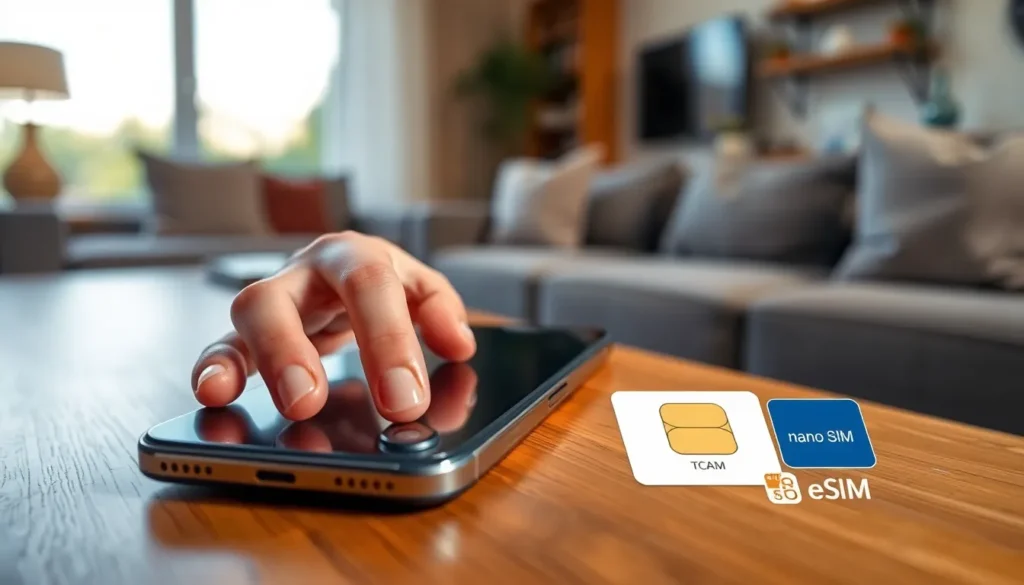
With each new iPhone release, excitement buzzes through the tech world like a caffeinated squirrel. But amidst the hype, one burning question often surfaces: does the new iPhone have a SIM card? It’s a valid concern, especially for those who remember the days of fumbling with tiny cards that seemed to vanish into thin air.
Overview of SIM Card Technologies
Understanding SIM card technologies is essential for grasping mobile connectivity. SIM cards, or Subscriber Identity Module cards, authenticate devices on cellular networks. Physical SIM cards have transitioned into digital formats, reflecting ongoing advancements in technology.
Traditional SIM cards come in various sizes, including standard, micro, and nano formats. Users often find switching between devices challenging due to the need for different sizes. Innovations like eSIMs have emerged to address these issues. eSIMs, embedded directly in devices, allow users to switch networks without physically replacing cards.
Data usage plays a significant role in SIM card technology evolution. Users demand faster connections, prompting providers to enhance services. 5G technology has also influenced SIM card design, requiring improved performance to support higher data speeds. Some newer smartphones exclusively utilize eSIM functionality, eliminating the need for physical cards altogether.
Several advantages exist for eSIMs compared to traditional SIM cards. eSIMs promote ease of use, as users can access multiple profiles on a single device. Switching carriers can happen through the device’s settings, often simplifying the user experience.
As smartphone technology evolves, attention to SIM card technologies remains crucial. Up-to-date information helps users make informed choices when selecting devices. Understanding these technologies ensures a seamless experience in a fast-paced mobile world.
iPhone SIM Card History
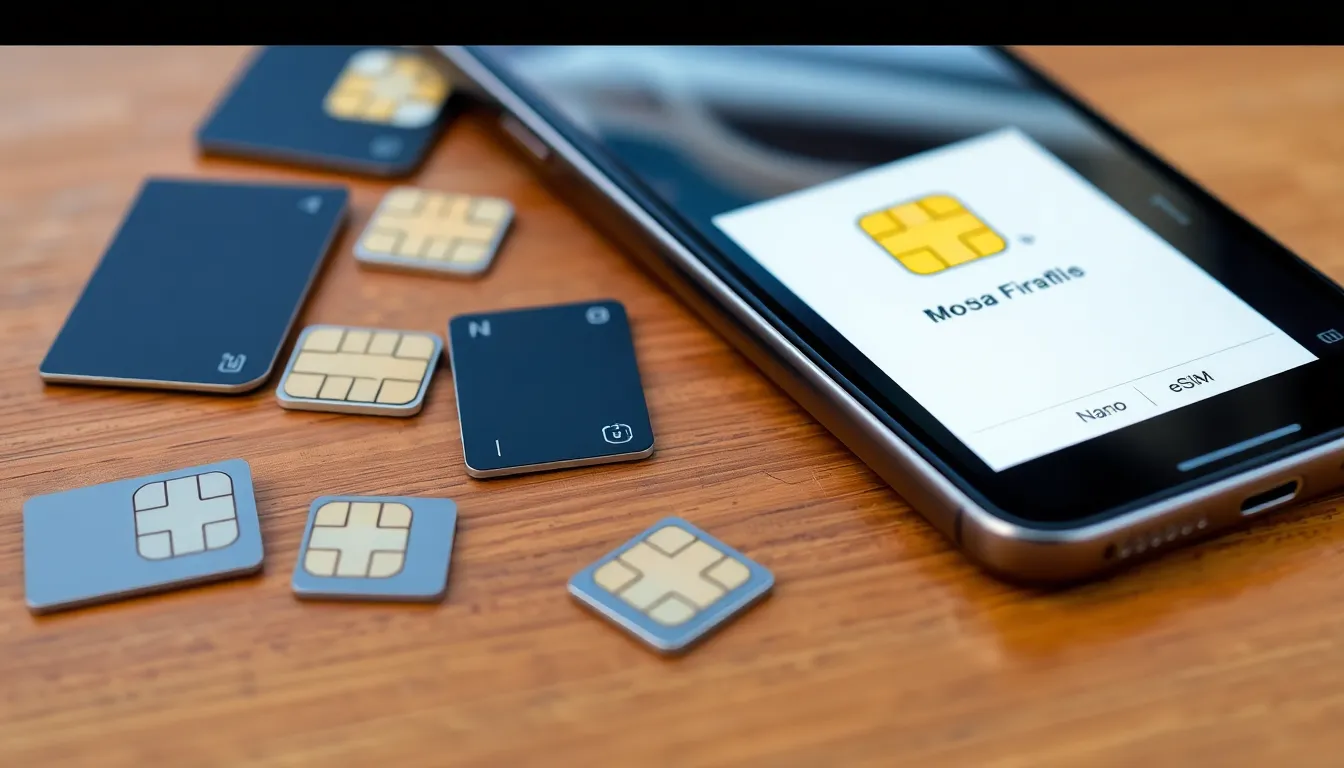
The evolution of SIM card technology significantly impacts mobile connectivity. Traditional SIM cards served as essential elements in identifying subscribers on cellular networks. Users interacted with various sizes of SIM cards, like standard, micro, and nano, which presented challenges during device transitions. Finding the right size often led to frustration for many.
Shifting to eSIM technology marked a revolutionary change. These embedded SIMs offer users a more streamlined experience, eliminating the need for physical cards. With eSIMs, switching carriers or managing multiple profiles occurs without the hassle of swapping SIM cards. Many smartphones now support eSIM technology, offering flexibility and convenience. Significant advancements in mobile communication, such as 5G networks, drive this trend forward, catering to the growing demands for efficient data transmission.
Does The New iPhone Have A SIM Card?
The latest iPhone models maintain the use of traditional SIM cards alongside advanced eSIM technology. Current models like the iPhone 14 and iPhone 15 support both. This means users can choose either format based on personal preference or provider requirements.
Models That Support SIM Cards
iPhones that utilize physical SIM cards include the standard versions of the iPhone 14 and iPhone 15. These models come with a nano SIM card slot. Users still purchasing older models, like the iPhone 13 or earlier, also find SIM card slots. Notably, many international versions of these iPhones supported dual SIM functionalities. Each slot serves as a useful option for users who travel frequently or need separate lines.
Explanation of eSIM Usage
eSIM technology offers significant convenience for connectivity. Devices equipped with eSIMs eliminate the need for physical SIM cards. For instance, users can activate cellular service with just a few taps on their device screen. Managing multiple profiles becomes hassle-free with eSIMs, supporting various networks and plans seamlessly. Additionally, users can switch between carriers without changing physical cards. This innovation reflects ongoing advancements in mobile connectivity, streamlining experiences for users worldwide.
Customer Reactions and Feedback
Users express mixed feelings about the SIM card situation in the new iPhone models. Many appreciate the convenience of eSIM technology, valuing its ability to streamline mobile experiences. Switching between carriers becomes effortless, allowing users to manage multiple profiles directly through their devices.
Feedback highlights confusion among some customers regarding continued support for traditional SIM cards. Users who prefer using physical cards are relieved that the iPhone 14 and iPhone 15 retain a nano SIM slot. This aspect caters to individuals transitioning from older devices or those not ready to adopt eSIMs fully.
Travelers also share positive experiences related to dual SIM capabilities. Frequent flyers find it beneficial to use a local SIM while keeping their home number active. These users highlight the ease of managing calls and data without the hassle associated with getting a new SIM card each time they visit a different country.
On social media, conversations trend towards the advantages and limitations of eSIM. Some users emphasize how this technology simplifies activation processes, while others raise concerns about compatibility with different networks, especially in regions with less eSIM adoption.
Overall, customer reactions showcase a blend of enthusiasm and caution regarding these innovations. As the mobile landscape evolves, users eagerly adapt to changes while remaining vigilant about their connectivity options.
The new iPhone models offer a blend of traditional SIM card support and innovative eSIM technology. This dual approach caters to a wide range of user preferences and needs. While many embrace the convenience of eSIMs for easy carrier management, others appreciate the familiarity of physical SIM cards.
As mobile connectivity continues to evolve, understanding these options becomes crucial for users. Whether opting for the traditional nano SIM or making the switch to eSIM, the latest iPhones provide flexibility that enhances the overall user experience. With advancements like dual SIM capabilities, travelers can navigate their connectivity needs with ease. The landscape of mobile technology is changing rapidly, and staying informed allows users to make the best choice for their lifestyle.